




(本文转载自《孔子学院》中英文对照版2025年第3期/总第91期)

到长沙喝一杯
新中式茶饮
Have a Cup of
New Chinese- Style
Tea in Changsha
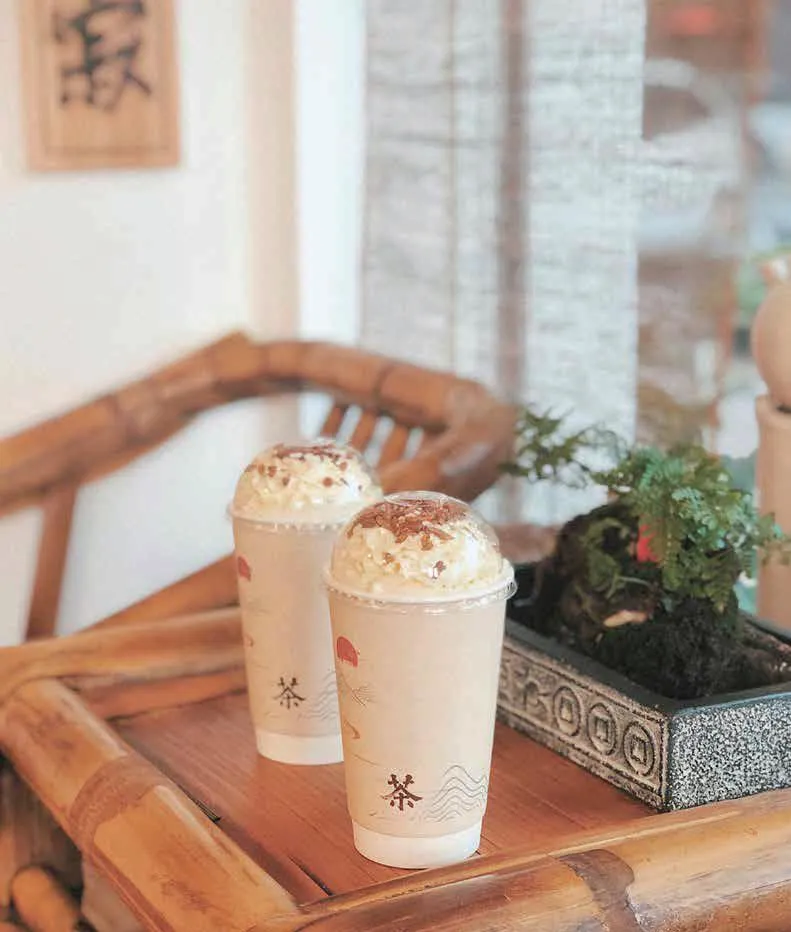
长沙曾有这样一首歌谣,“一走二三里,茶园四五家,楼台六七座,八九十品茶”,它唱出了当时长沙城里茶文化盛行的状况。如今,游客们到长沙,搜索的不仅有风景名胜,还有各具特色的新中式茶饮。
There was once a folk rhyme in Changsha that went: “Stroll a mile or two, find tea gardens four or five, see rooftops six or seven, and sip tea from dawn to dusk.” These simple lines capture the deep-rooted popularity of tea culture in the city. Today, visitors to Changsha come not only for its scenic spots and historical landmarks, but also to enjoy New Chinese-style tea drinks, each with its own unique characteristics.
去年十一假期,趁着天气好,我约了几位好友去长沙游玩。到了那里才发现,新中式茶店真是数不胜数,我不由得感叹:“长沙人真爱喝茶饮!”过去,长沙老茶客们喜欢悠闲谈天、静静品茶,而现在的年轻一代更青睐新中式茶饮。
During the National Holiday last year, the weather was beautiful, so I invited a few friends to visit Changsha. When we arrived, I was amazed to see that New Chinese-style tea houses were everywhere — far too many to count. I couldn’t help but exclaim, “People in Changsha truly love their tea!” In the past, regulars at traditional tea houses in the city would sit for hours, sipping tea and chatting about everything under the sun. Today, it’s the younger generation who are embracing tea in their own way: they favour trendy, New Chinese-style tea drinks that blends traditional with modern flair.
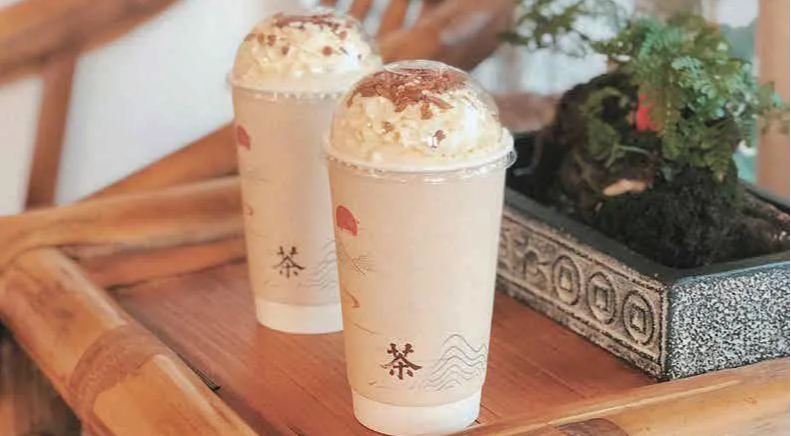
“创新”是长沙新中式茶饮最鲜明的特色。漫步在这座城市,随处可见将传统文化与现代元素巧妙融合的茶饮空间,它们以独特的创意诠释着茶文化的新发展。长沙的茶饮品牌在很多方面展现了创新精神。首先,在品牌形象上,许多茶饮品牌将东方美学元素融入logo设计,如手持团扇的古典仕女、水墨丹青的写意图案等,搭配手写体品牌名称,既彰显文化底蕴,又极具辨识度。其次,在茶饮店的空间设计上,许多门店的装修风格融入了中国古典文化元素,连茶杯上的花纹和图案也遵循了传统审美趣味。第三,在茶饮的命名上,商家取了“幽兰拿铁”“声声乌龙”“烟火易冷”等诗意的名称,让每一杯茶都承载了文化想象。第四,在制作工艺上,商家将传统的乌龙茶、茉莉花茶等中国茶作为茶底,加入鲜奶和人们喜欢的奶油、坚果粒,创造出层次丰富的口感。更令人称道的是,长沙茶饮业开创了诸多特色服务,如“雨天特惠”“免费续杯”等暖心活动以及“不满意重做”的服务承诺,拉近了与消费者的距离;茶叶、茶具、文创等周边产品的开发,让茶文化以更亲民的姿态走进日常生活。
Innovation is the most distinctive hallmark of Changsha’s New Chinese-style tea drinks. Strolling through the streets of the city, one can easily spot tea lounges everywhere — spaces that ingeniously fuse traditional culture with modern aesthetics. These tea houses reinterpret the evolution of tea culture in fresh and uniquely expressive ways. Tea brands in Changsha showcase their innovative spirit across many dimensions. First, in terms of brand images, many have embraced Eastern aesthetics in their visual identity. Logos often feature elements such as classical maidens holding silk fans or motifs inspired by traditional ink-and-wash painting, harmoniously paired with handwritten brand names. These designs not only convey a strong sense of cultural depth but also reinforce distinctiveness and brand identity. Second, in the design of the spaces, many tea lounges adopt a décor style rich in classical Chinese cultural elements. Even the images and patterns on the cups reflect traditional aesthetic sensibilities. Third, in the naming of the drinks, tea lounges often use poetic, evocative names such as Orchid Latte, Whispers of Oolong, and Fleeting Iced Tea. These names infuse each cup with cultural imagination. Fourth, in terms of tea-making techniques, while the base often consists of traditional teas like oolong or jasmine, baristas incorporate ingredients such as fresh milk, cream, and crushed nuts to create a rich, layered flavour experience. What’s especially worth noting is the thoughtful and distinctive customer service. Brands frequently launch “rainy day specials,” “free refills,” and other heartwarming initiatives including the promise “If you’re not satisfied, we’ll remake it.” These services foster a stronger emotional bond between tea businesses and their customers. Through the development of tea, tea ware, and culturally inspired creative products, New Chinese-style tea culture is finding its way into everyday life with a more relatable and contemporary presence.
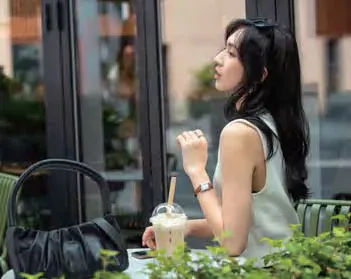
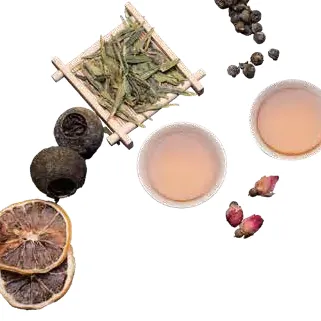
“健康养生”是新中式茶饮的另一个特点。如今,年轻一代越来越追求天然健康、方便即饮的茶饮,因此满足他们的消费需求成为茶饮店脱颖而出的关键。长沙九芝堂中医馆以“药食同源、草本养生”为理念,推出了自己的养生茶饮品牌。他们会根据不同时令来调制饮品,比如天气干燥时推出的润咽养肺养生吊梨汤备受消费者青睐。此外,九芝堂还从古典词牌名中汲取灵感,研发出不同药效的纯茶产品,如“卷珠帘”里加了菊花和干石斛,可清肝明目;“踏歌行”里放了胖大海和玫瑰花,能清喉利咽;“点绛唇”里有决明子和枸杞,有降低血脂的效用。极受大家喜爱的是一款阿胶珍珠奶茶,其配方源自马王堆汉墓出土的《五十二病方》,不仅内涵丰富,还兼顾了外观和口感。养生茶饮将中药和饮食结合在一起,为追求健康养生的人们提供了新的选择,成为新中式茶饮中的新潮流。
Heathy living has become another distinctive hallmark of New Chinese-style tea drinks. The younger generation’s pursuit of tea now places greater emphasis on natural ingredients and wellness, with features like portability and ready-to-drink formats. As a result, meeting consumers’ health-conscious demands has become a key for tea shops seeking to stand out in a competitive market. Changsha Jiuzhitang Traditional Chinese Medicine Clinic embodies the philosophy of “food and medicine share the same origin.” In their view, herbs are not only for healing, but also for preserving health and well-being. Drawing from this ethos, the clinic has launched its own wellness tea brand, developing drinks based on seasonal changes and the body’s needs throughout the year. For instance, during dry weather, they introduced an herbal pear tonic designed to soothe the throat and nourish the lungs — a traditional remedy reimagined as a refreshing tea. The drink quickly gained popularity for both its function and flavour. Many of Jiuzhitang’s tea products are also inspired by the elegant titles of classical Chinese ci poetry tunes and possess specific medicinal functions. For example: Juan Zhu Lian (Rolling Up Beaded Curtains) combines chrysanthemum and dried dendrobium stems, helping to clear liver heat and improve eyesight. Ta Ge Xing (Stomping-Song Journey) features malva nuts and rose buds, believed to soothe the throat and ease discomfort. Dian Jiang Chun (Crimson Lips Prelude) blends cassia seeds and goji berries, offering benefits such as lowering blood lipid levels. Another customer favorite is the Ejiao Pearl Milk Tea, which incorporates ejiao (donkey-hide gelatin) into a modern tea format. Its formula is inspired by the ancient “52 Prescriptions for Diseases” unearthed from the Mawangdui Han tombs. This drink is not only rich in medicinal value, but also carefully crafted to please both the eye and the palate. Through the fusion of herbal medicine and culinary creativity, these wellness teas offer new choices for those pursuing healthy lifestyles and represent a rising trend in the evolution of New Chinese-style tea.

“提升体验感”是新中式茶饮获得成功的方式。长沙有一家茶馆,主打“屋顶喝茶”的特色体验,现在是游客拍照打卡的热门地点之一。茶馆开在一栋三层独栋式青砖黛瓦的建筑里,一楼是开放式点餐区,不仅展示了各种茶类,还能让消费者直观地看到制茶过程;二楼是用餐区;三楼是一个露台搭建的“屋顶场景”,顾客可以直接坐在那儿喝茶,放松身心,饱览老城美景,享受惬意生活。这种设计突破了传统茶馆的空间限制,为顾客带来了新奇、好玩的茶饮新体验。饮品除了纯茶,也会有依据时令变化推陈出新的,加入桑葚、橙子、青提、蓝莓等的水果茶。店里还提供“山楂串串”“一杯豆乳”等高颜值甜品点心,年轻人甚是喜爱。
Enhancing the customer’s sense of experience has become a key to the success of New Chinese-style tea drinks. In Changsha, there’s a tea house whose flagship experience is all about enjoying tea on the rooftop. Thanks to this unique concept, it has become one of the most popular photo spots for tourists. The tea house is in a three-story standalone building made of grey bricks and dark-tiled roofing, reflecting Chinese architectural aesthetics. On the ground floor is an open-style ordering area, where various teas are on display and customers can watch the tea-making process up close. The second floor serves as the main dining area, while the third floor offers a rooftop scene built on a terrace. Here, customers can sit down to enjoy their tea, unwind physically and mentally, take in panoramic views of the old town, and escape the rush of everyday life to rediscover the joy of simple living. The spatial design breaks through the limitations of traditional tea houses, delivering a refreshing sense of surprise and delight. To reflect the seasons, the tea menu features rotating fruit teas infused with ingredients such as mulberries, oranges, green grapes, and blueberries. The shop also serves beautifully presented desserts and pastries, including “Hawthorn Fruit Skewers” and “A Glass of Soy Milk” — offerings that are widely loved by young people for their visual appeal and nostalgic charm.
此外,还有以环境制胜的茶饮店。在长沙橘子洲,游客如果逛累了,可以去一家藏在竹林中的手工擂茶坊歇歇脚。绿竹环绕、微风徐徐,坐在中式古风庭院的竹椅木桌旁喝一杯擂茶,身心愉悦。
In addition, some tea houses win customers with their immersive environments. At Orange Isle, in Changsha, weary travelers can pause for a rest at a handmade Leicha (Pounded Tea) workshop hidden among bamboo groves. Surrounded by swaying green bamboo and a gentle breeze, seated by a traditional Chinese wooden table with bamboo chairs, visitors can sip a cup of Leicha, and relax both body and mind.


长沙的新中式茶饮,以创新、健康养生以及独特的体验感为特色,让茶这个古老的饮品,有了更多令人耳目一新、鲜活有趣的表达,成为城市文化中一道潮流风景线。
Changsha’s New Chinese-style tea culture is defined by innovation, wellness, and rich experiential design. Through this transformation, tea — an ancient beverage — has found itself in an entirely different context, reimagined in ways that are refreshing, expressive, and fun. It has become a trendy and symbolic part of the city’s culture landscape.
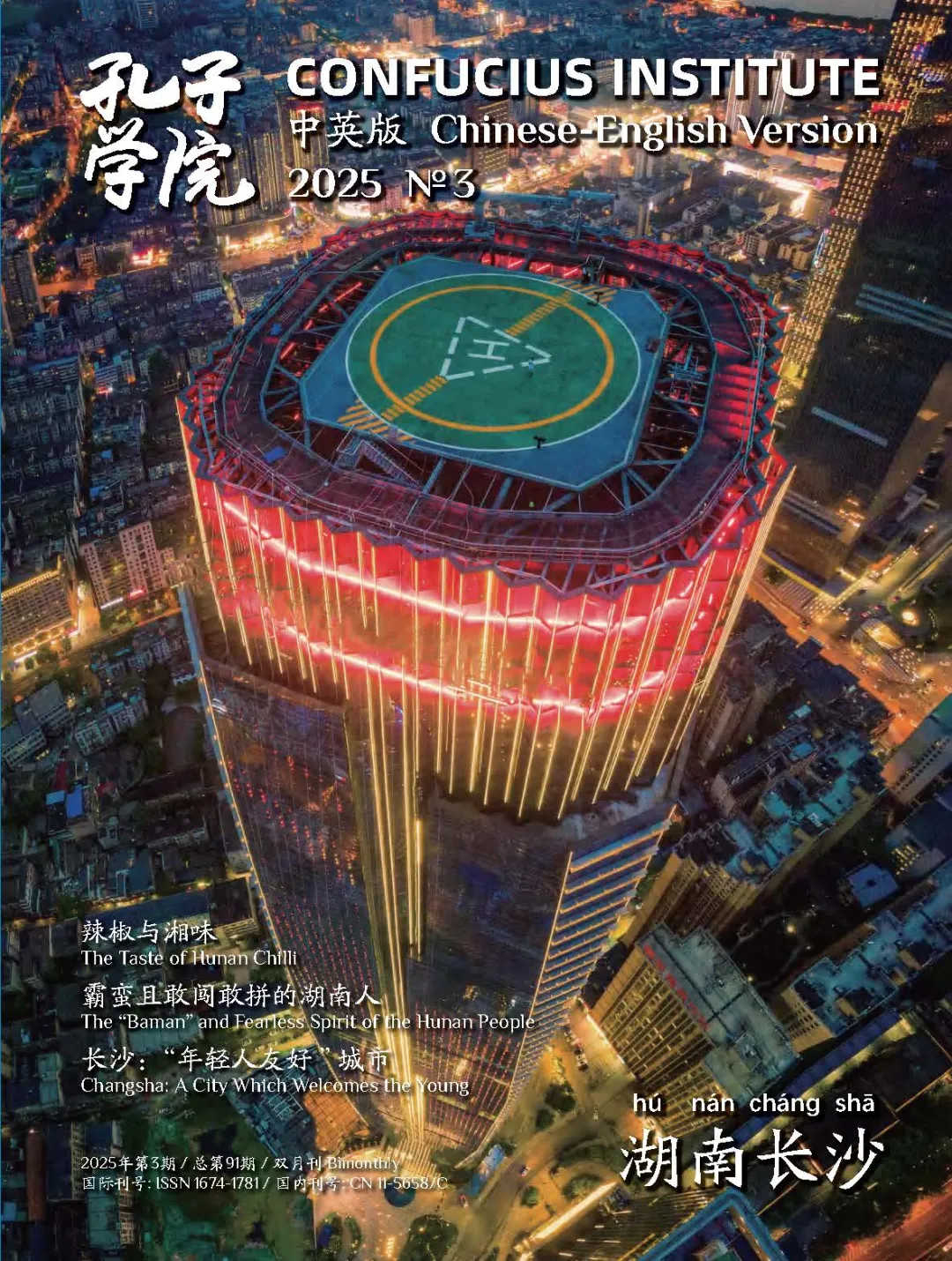
更多精彩内容,欢迎访问《孔子学院》官网获取。
文:百茶客 Bai Cha Ke
译:丁鹏 Penny Ding
美术编辑:何纯洁(实习)