









(本文转载自《孔子学院》中英文对照版2025年第5期/总第93期)
马帮的领头人——“马锅头”
The Horse Caravan Leader:Maguotou
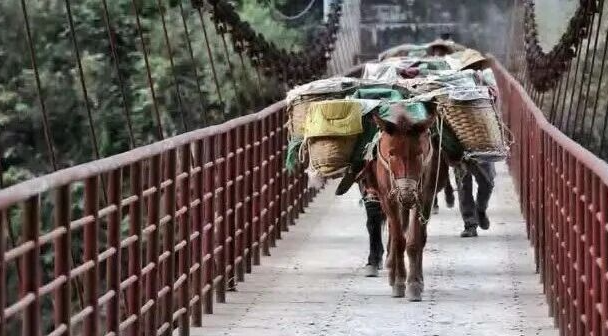
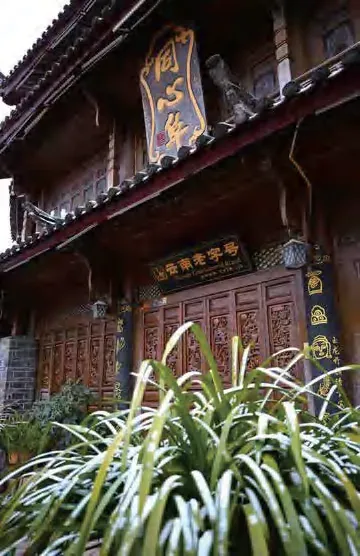
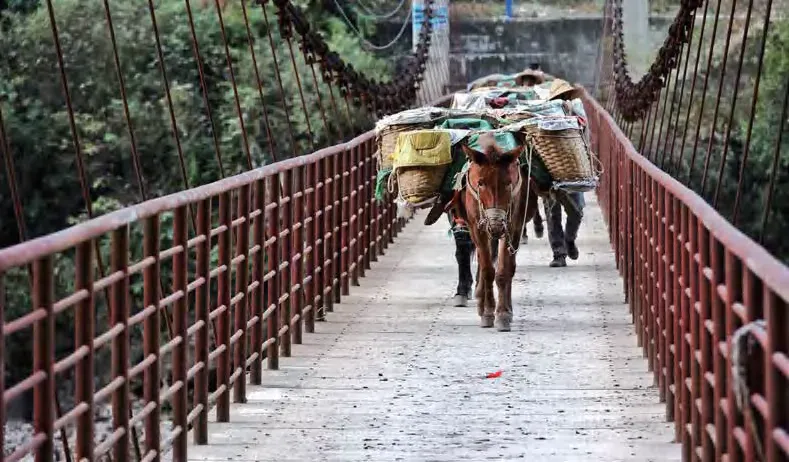
马帮分为长途、中途和短途马帮,同心阜属于长途马帮,走的是茶马古道的滇藏线,途中须翻越海拔6740米的梅里雪山,一路前行到拉萨,再从拉萨行至江孜、亚东,进而前往印度、尼泊尔。
Horse caravans fell into three categories: long–, medium–, and short–distance. Tongxin Fu belonged to the long–distance caravan, traversing the Yunnan–Xizang route of the Ancient Tea Horse Road. The arduous journey took them over the 6,740–meter–high Meili Snow Mountain, onward to Lhasa, then further to Gyantse and Yadong, before finally reaching India and Nepal.
在漫长的商旅途中,优秀的领头人至关重要。马帮的领头人被称作“马锅头”。当马帮行至高原地区时,由于气压低,用锅煮饭容易出现夹生的情况,若食用会导致腹胀,引发健康问题。这时,领头人须先吃第一口,确认饭已煮熟,再让成员食用,“马锅头”这一称呼便由此而来。一名出色的“马锅头”不仅要精通赶马,能行万里路,最要紧的是把成员从家中带出去后,还能确保其安全返家。成员倚重并信任“马锅头”,“马锅头”也始终心系成员的安危。
On such grueling expeditions, a skilled leader was indispensable. The head of a horse caravan was known as the Maguotou, literally “pot head of the horse caravan.” At high altitudes, where low air pressure made it difficult to cook rice properly, under-cooked grains could cause severe bloating and health risks. The Maguotou would always take the first bite to ensure the rice was fully cooked before allowing the rest of the caravan to eat—hence the name. A truly exceptional Maguotou was not only an expert in handling horses and navigating vast distances, but most importantly, he had to organize the team and safely bring every member home. The caravan members relied entirely on Maguotou’s judgment and leadership. Their trust in Maguotou was absolute, and Maguotou’s duty to protect them was unwavering.
马帮的智慧
The Wisdom of Horse Caravans
常年与高原雪山为伴,赶马人练就了诸多高原生存技能。他们对气象变化的观察细致入微,往往能通过云的形态、风的走向等来预测天气。“马锅头”甚至能精准推算出雪崩的时间,提醒同伴提前做好防范。这些宝贵的生存经验与智慧代代相传,护佑着往来商道的马帮人——比如过雪山时,无论老少都须保持走动以促进血液流通;耳朵冻僵时,切忌直接烤火,而应用雪慢慢搓热;行至险峻峭壁,要戴墨镜且避免往下看,以防眩晕跌落……马帮人深知自然的神秘和壮阔,他们尊重自然,相信并秉持“顺其自然、取之自然、用之自然、回归自然”之道。
Accustomed to life amidst high-altitude snow mountains, caravaneers honed remarkable survival skills for the harsh terrain. They became astute observers of weather patterns—predicting storms by reading cloud formations and wind shifts. A seasoned Maguotou could even anticipate avalanches, warning his team to take cover. These hard-earned insights, passed down through generations, safeguarded countless travelers along the trade routes. For instance, when crossing snowy peaks, everyone—young or old—should keep moving to maintain blood circulation. If ears froze, rubbing them with snow was the remedy, and one should never expose them directly to fire. Along treacherous cliffs, wearing sunglasses and avoiding downward glances prevented dizziness and fatal falls. The caravaneers understood nature’s might and mystery. They revered it, guided by the philosophy: “Follow nature’s course, take from it wisely, use its gifts mindfully, and return to it in harmony.”
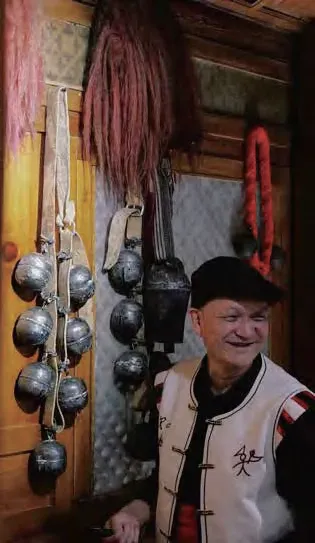
由于长期行走于山间,通讯不便,马帮人自创了一套独特的暗语和技能——茶马古道“六袢(pàn)”,即六种不同的捆垛技能。他们通过在草垛上打不同的扣结来传达不同的意思,以提醒同伴和后来者注意规避土匪、搜集草药,或是发出求助信号。另外,唱山歌也是极为重要的信息传递方式——马帮走到哪座山,就唱哪种山歌,以传递换物或求助的信息。这种无需言语的交流方式,也成为古道上鲜明的印记。
Isolated in the mountains, the caravans developed ingenious non-verbal communication systems. Among them was Liupan—six distinct knotting techniques for bundling haystacks. Each knot conveyed hidden messages, alerting fellow travelers to dangers like bandits, medicinal herb locations, or distress signals. Another important medium was mountain songs. As caravans traversed different peaks, they adapted their tunes to broadcast trade requests or calls for help. This wordless dialogue became a defining hallmark of the Ancient Tea Horse Road.
与世界做朋友
Making Friends with the World
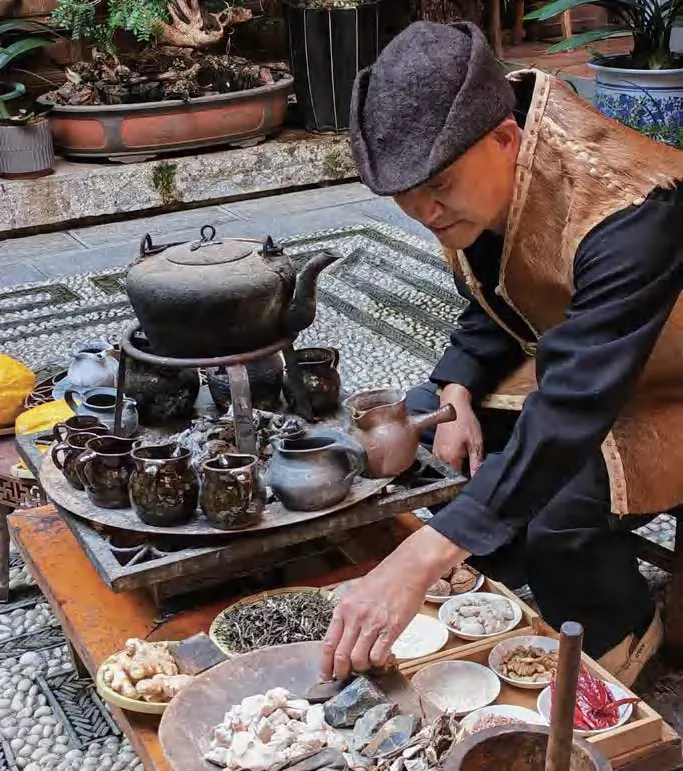
“‘真诚、真实、朴素’,这六个字被同心阜马帮放在第一位。”谷荣桂说起时,脸上闪现掩藏不住的骄傲。长途马帮的生存法宝全在一个“诚”字。从中国丽江到印度加尔各答,单程五千多公里、来回一万多公里,一路充满种种坎坷,唯有诚信才能让他们在这条路上走得平稳、长久。
“Honesty, sincerity and simplicity—these words define the core values of the Tongxin Fu caravan, ”said Gu Ronggui, his face alight with unmistakable pride. For long-distance caravans, survival hinged on one fundamental principle: integrity. The journey from Lijiang, China, to Kolkata, India, spanned over 5, 000 kilometers one way—over 10, 000 kilometers round-trip—through unforgiving terrain. Only unwavering integrity ensured their enduring presence on this path.
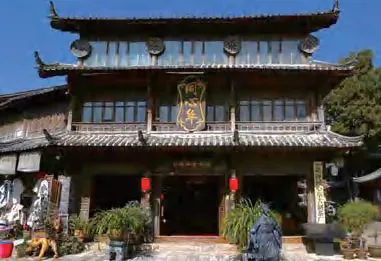
“马帮人一诺千金,先学做人后学做事。”在运输货物的过程中,如果已有约定,那么即使其他人出再高的价格,他们也不会转卖货物;在介绍马背上运送的茶饼时,他们会如实说明茶叶的功效,并欢迎买家检验。
“A caravaneer’s word is his bond; character comes before commerce. ” Once an agreement was struck, no higher offer could sway them to resell the goods. When presenting tea cakes transported on horseback, they candidly explained the properties of the tea and welcomed buyers to inspect them.
除了做生意,马帮人的“诚”更体现在路途之中。他们与沿途各民族相处融洽,每到一处都尊重当地风俗,还会主动体验、学习当地文化。在藏区,他们会向藏民学习畜牧经验,同时分享汉族的农耕技术;在一些重要的节日里,他们会与当地居民相聚在一起,共享美食,共度欢乐时光。
Yet their integrity extended far beyond trade. Along the route, they forged harmony with diverse ethnic groups, embracing local customs and cultures. In Xizang, they shared Han farming techniques with Xizang people in exchange for their pastoral knowledge. During festivals, they feasted and celebrated with local communities.
在漫漫长路中,但凡遇到有困难的人,不论是其他马帮的成员,还是沿途的居民,他们都会出手相助。赶马人都随身携带药袋子,一路上也会挖草药以备不时之需。当遇上重病患者,马帮人会毫不犹豫地伸出援手。谷荣桂说,赶马途中最让他心痛的事,便是遇到有人受伤或患重病,而草药却已用尽的情况。此时,他虽有施救之心,却无能为力。当然,茶马古道上的这种善意也是相互的。在一次穿越荒漠时,同心阜马帮遭遇了严重的缺水危机。当地居民得知情况后,主动拿出自己珍贵的水,帮助处于绝望之际的马帮渡过了难关。此后,马帮每经过此处,都会携佳礼探访居民,还会和他们分享彼此的生活与故事。马帮人坚信“帮别人等于帮自己”,这种互助精神既支撑着他们在艰苦环境中克服各种困难,也让他们与沿途各民族人民建立了深厚的友谊——即便身处艰苦的环境,人们对生活的热爱、人与人之间的友谊和信任依然能跨越文化的差异。
Along the endless paths, the caravaneers lived by an unshakable creed: No soul in distress shall be left unaided. Whether encountering fellow travelers or local villagers in need, they never hesitated to lend help. Each horseman carried a medicine pouch, replenishing it with wild herbs gathered along the way. When facing gravely ill patients, they would act without a second thought. Gu Ronggui confessed that the most heart–wrenching experience during his journey was encountering someone injured or seriously ill, only to find that the herbal medicine he carried had already run out. This kindness flowed both ways. Once, while crossing a merciless desert, the Tongxin Fu caravan found themselves parched and desperate. Local herdsmen, learning of their plight, offered their own precious water reserves without hesitation. From that day onward, whenever the caravan passed through, they would always bring gifts and stories to share with these friends. Such was the caravaneers’ philosophy: “To help others is to help yourself. ” This mutual–aid spirit not only sustained them through the harshest trials but wove an invisible tapestry of friendship across ethnic divides. Even in the most unforgiving environment, their story proves that passion for life, friendship and trust can transcend all cultural barriers.
更多精彩内容,欢迎访问《孔子学院》官网获取。
地址:https://ci.cn/xwzx/cbw
文:菱生
译:庄驰原
图:谷荣桂
美术编辑:何纯洁(实习)