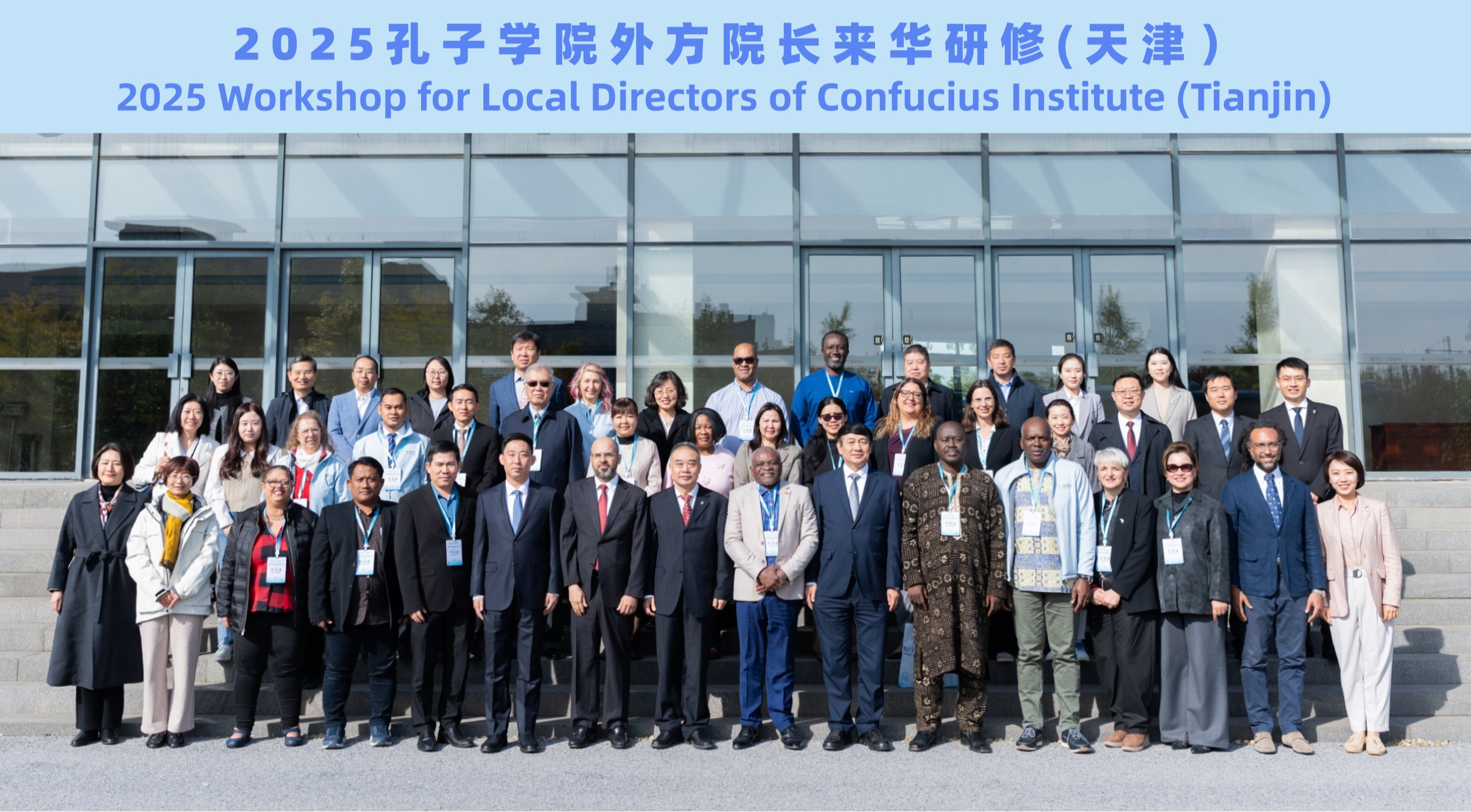

Recently, the 2025 Workshop for Local Directors of Confucius Institutes hosted by the Chinese International Education Foundation (CIEF) and organized by Tianjin Normal University, concluded in Tianjin. Over the nine-day program, 24 local directors of Confucius Institutes and heads of Confucius Classrooms from 21 countries across four continents gained an in-depth understanding of Tianjin’s role in the Beijing–Tianjin–Hebei coordinated development. Together, they explored new pathways for the digital-intelligent transformation of international Chinese language education and for mutual learning and exchange among CIs.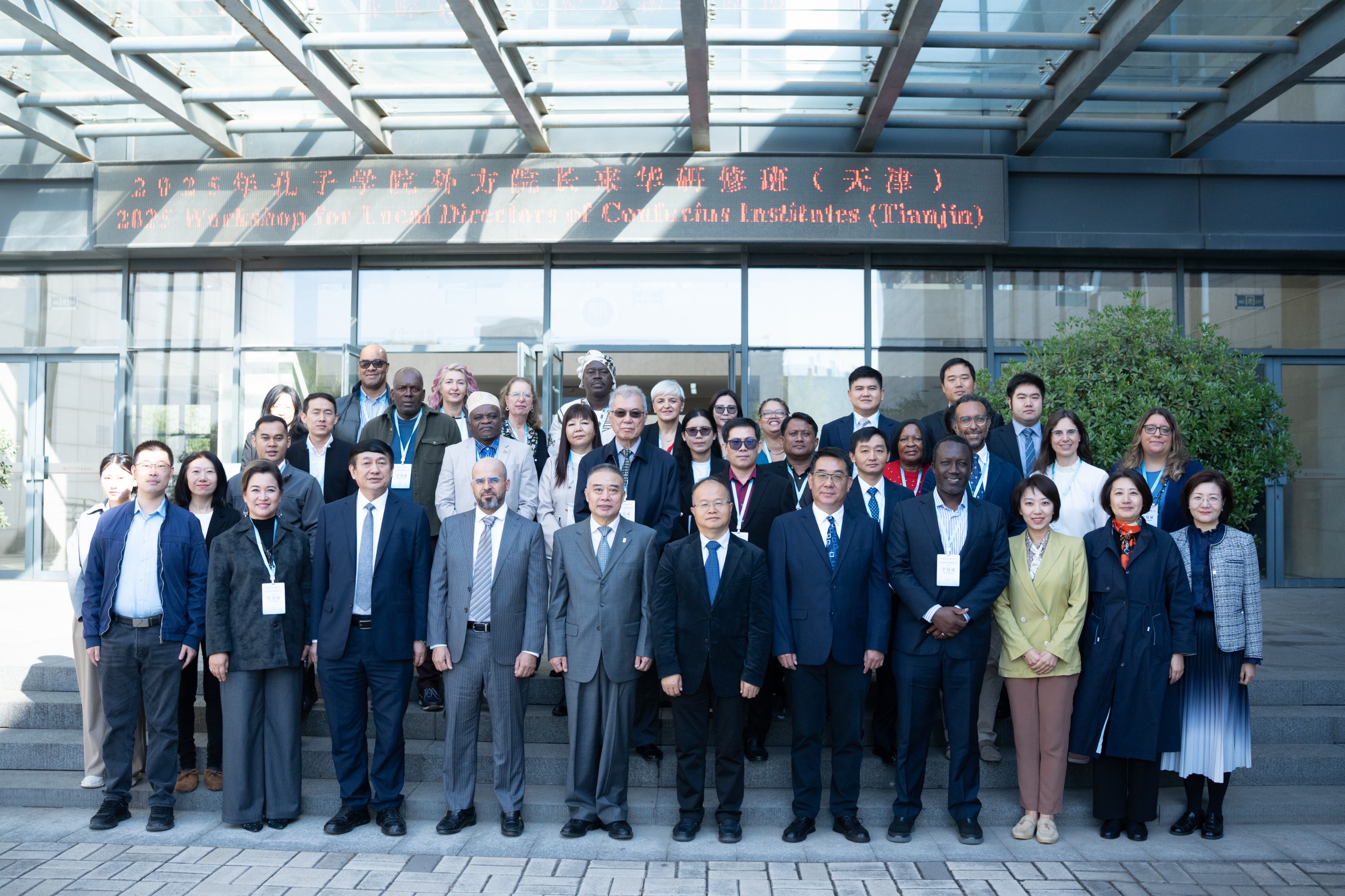
On October 14th, the opening ceremony was held and attended by Zhao Lingshan, Secretary-General of the CIEF; Wang Ge, Deputy Inspector of the Tianjin Municipal Education
Commission; Zhong Yinghua, President of the International Society for Chinese Language Teaching; and Bai Xuejun, Vice President of Tianjin Normal University. Zhao Lingshan delivered a keynote lecture titled “The Legacy and Development of Confucius Institutes,” in which he systematically outlined Confucius Institutes' efforts and achievements in optimizing international presence and innovating operational models. He also looked ahead to Confucius Institute's future role in promoting the high-quality development of international Chinese education and deepening people-to-people exchanges between China and the rest of the world.
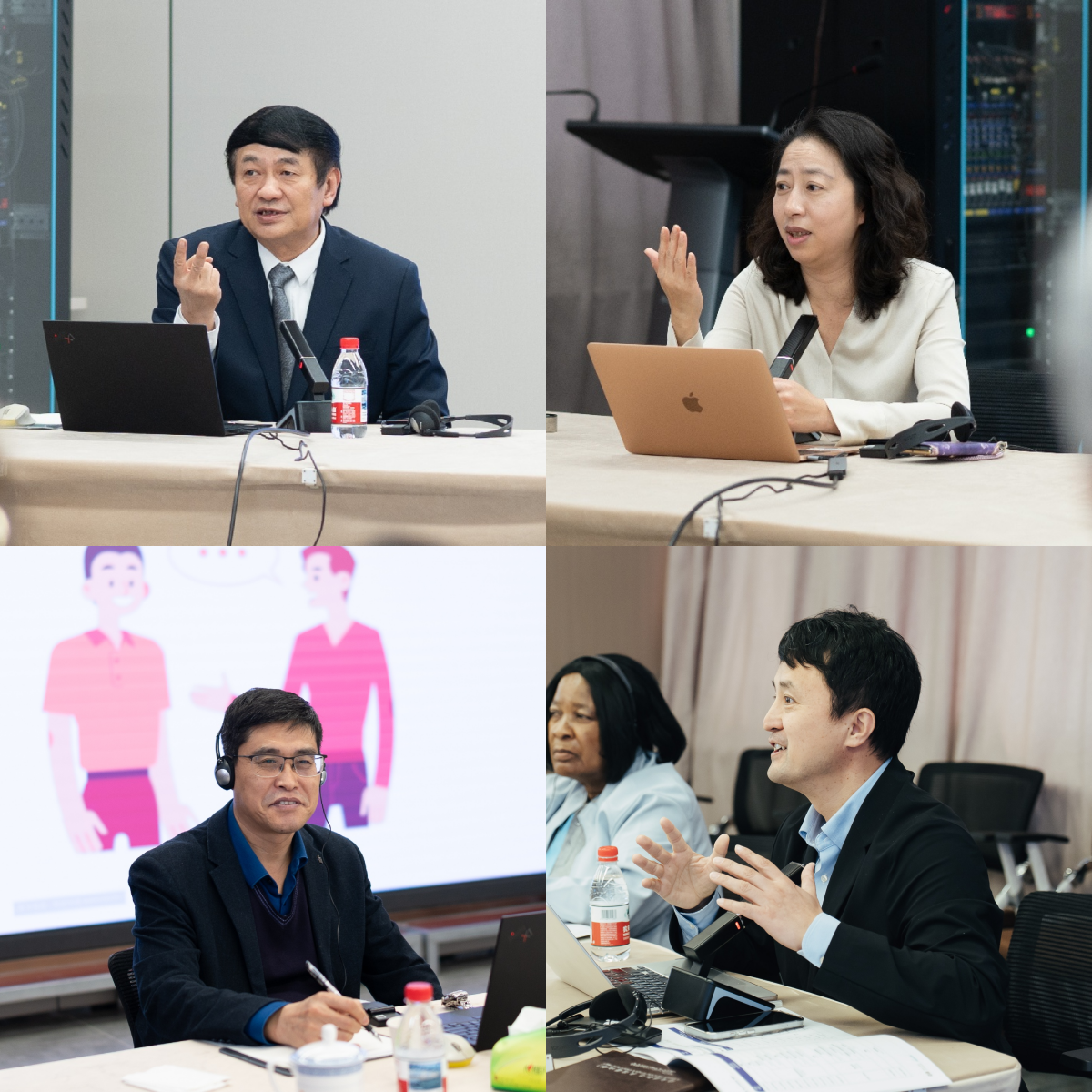
During the Workshop, experts and scholars from different fields delivered insightful lectures on topics including “Brand Influence of CIs,” “Operation and Management of CIs,” “China’s Macroeconomy,” and “Localized Pathways for the Development of International Chinese Education.” The directors visited the China-Singapore Tianjin Eco-City (National
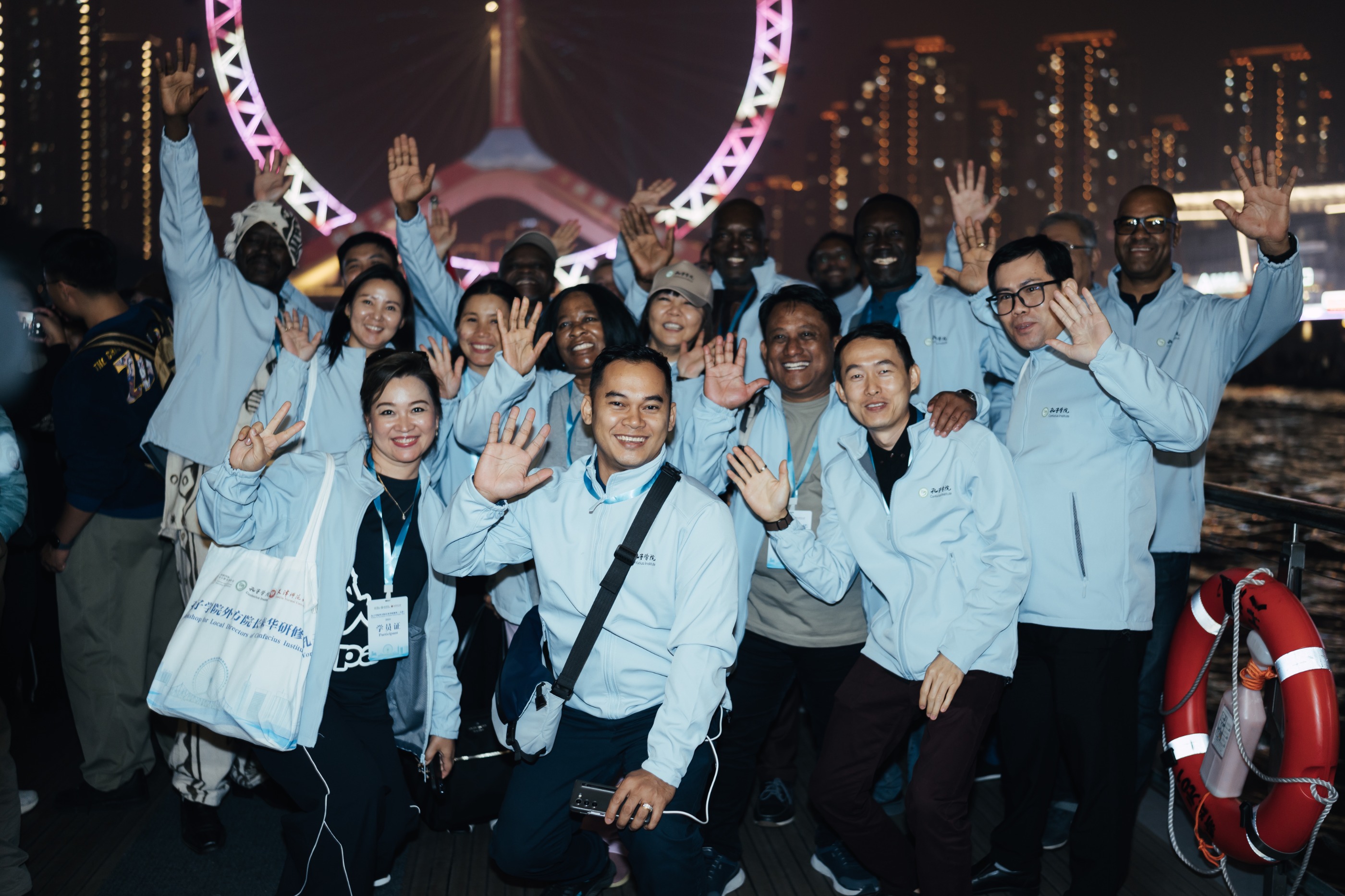
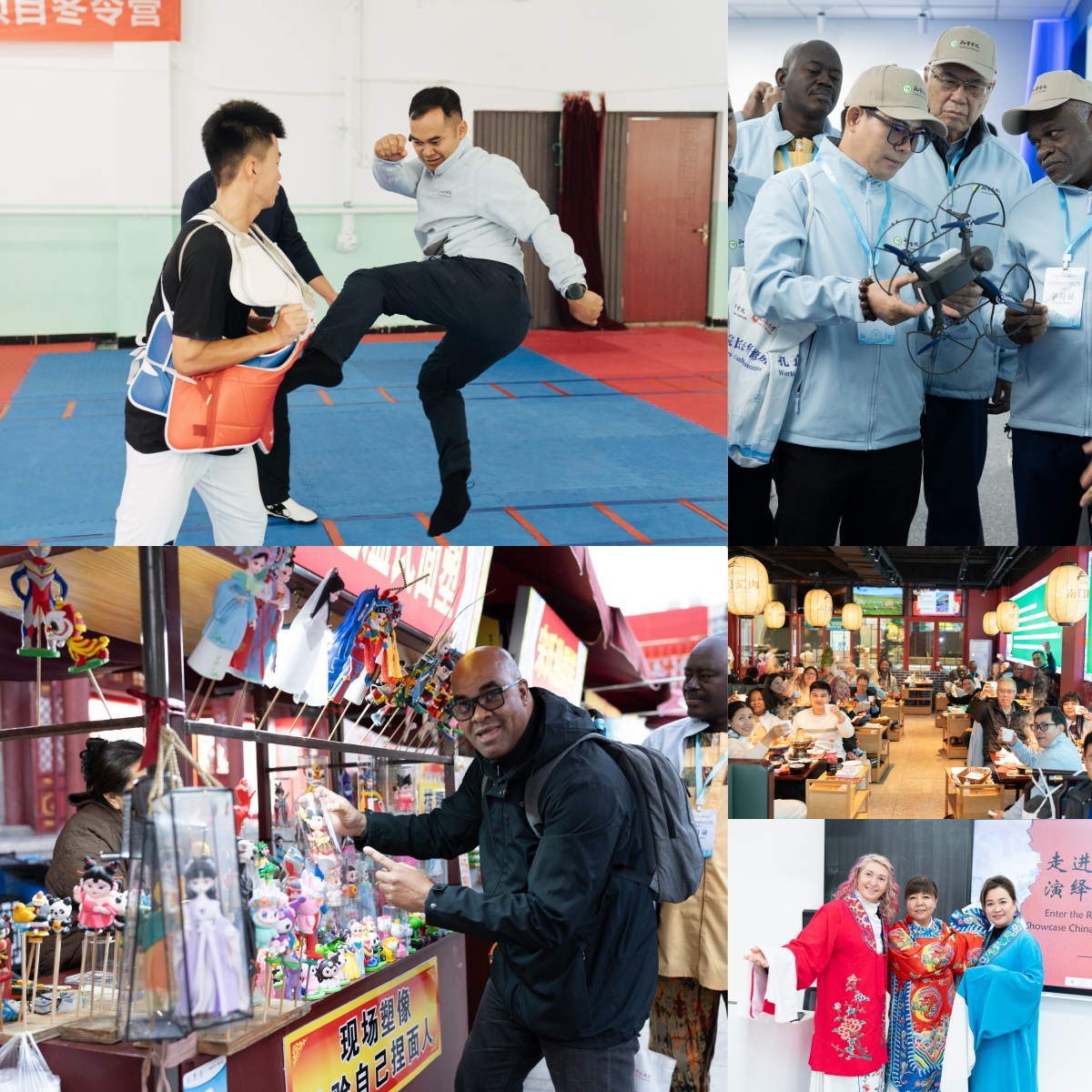
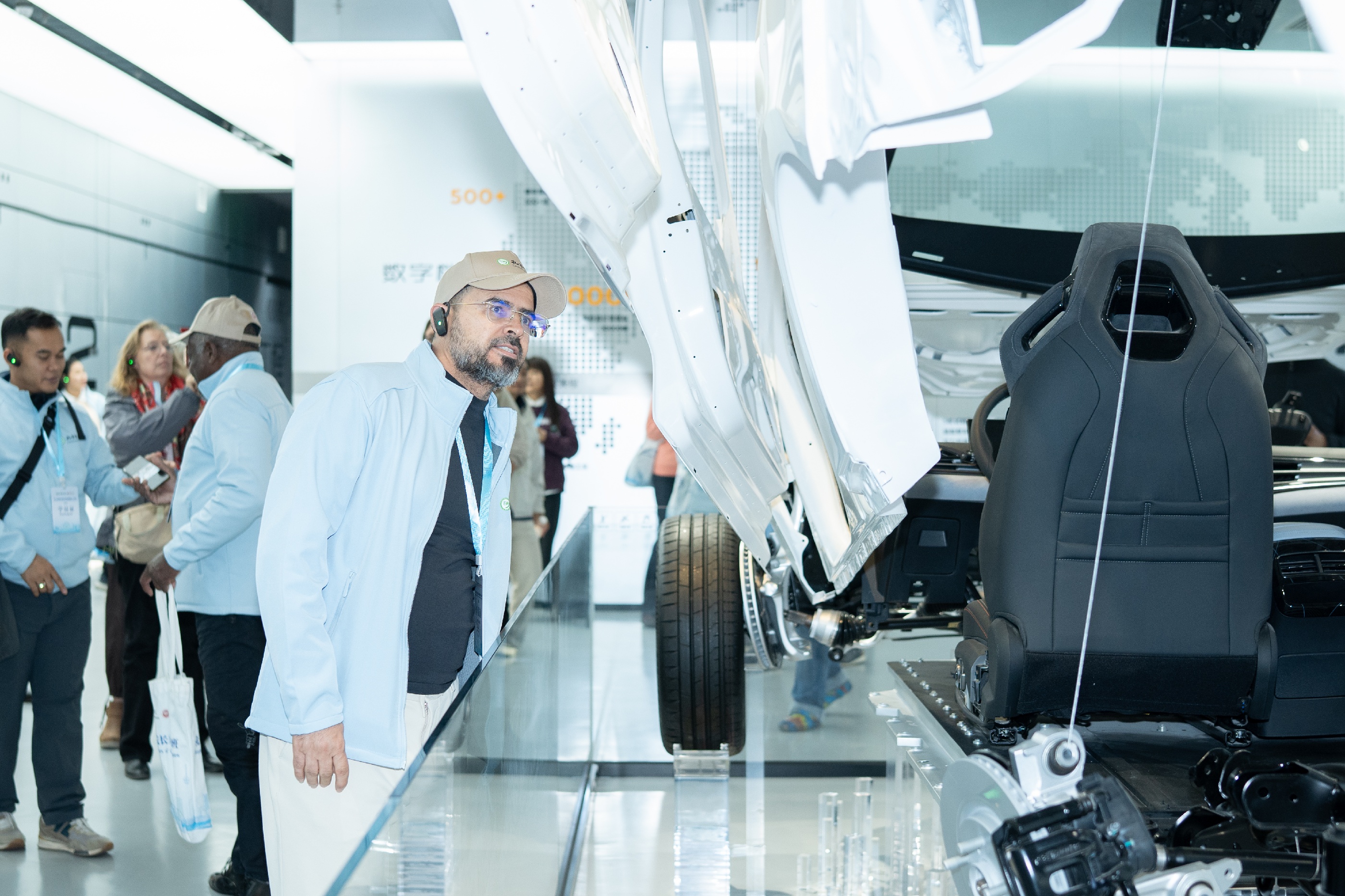
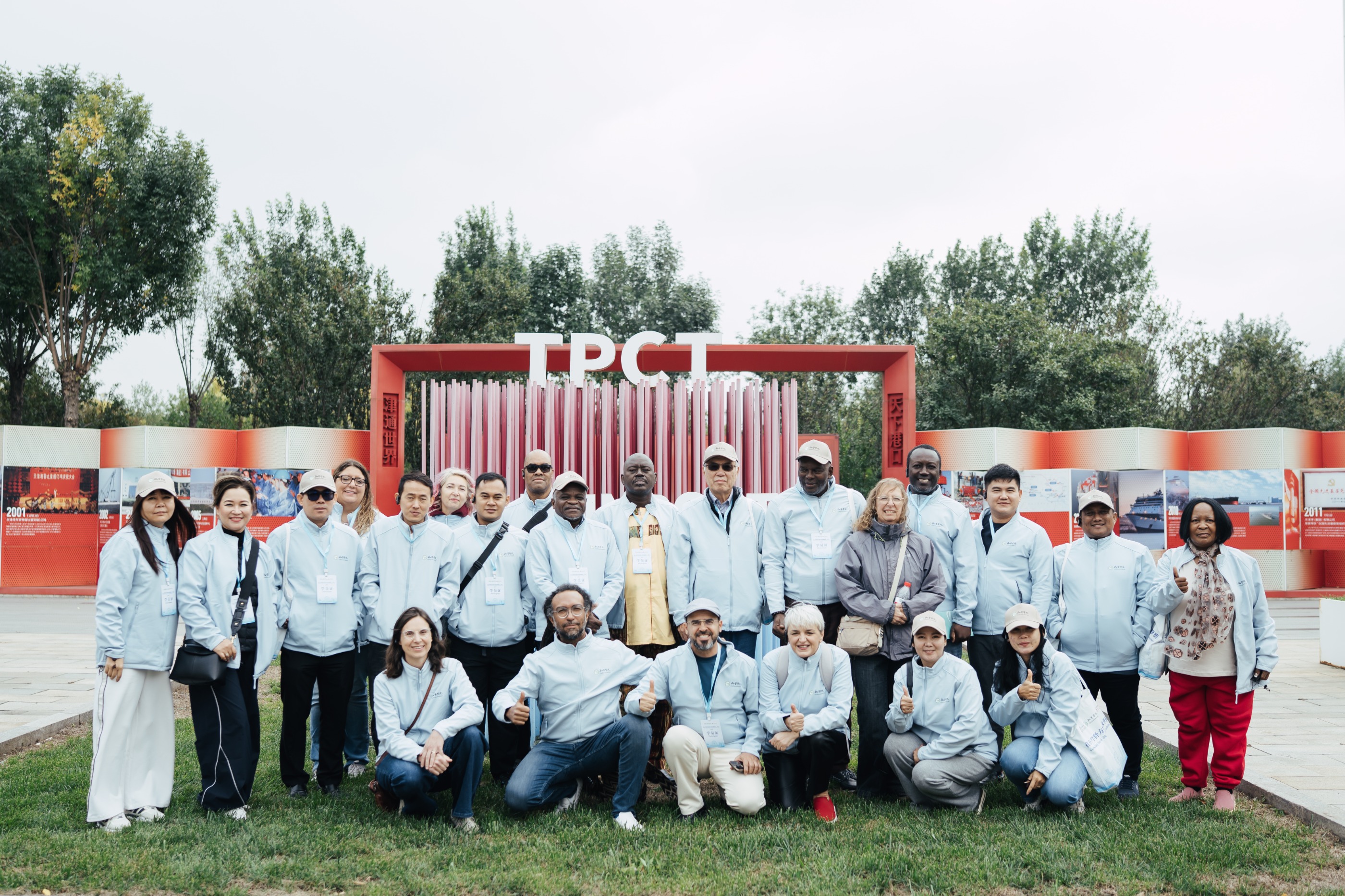
Maritime Museum) to know about China’s achievements in ecological civilization; explored the Tianjin Port’s pacific international container terminal to experience China’s strength as an international logistics hub; and visited high-tech companies including EFY Intelligent Control (Tianjin) Technology Co. and BYD to gain firsthand experience of China’s smart manufacturing and technological innovation. They also practiced traditional martial arts at the Huo Yuanjia Martial Arts School, enjoyed a night cruise along the Haihe River, strolled through Ancient Culture Street to experience local folk traditions, and joined the Morning Qigong Session. All these activities provided immersive interaction, deepening their understanding of the diversity of Chinese culture. These experiences enabled the participants to gain a comprehensive understanding of Tianjin’s latest achievements in economic development, education, and technological innovation as a core city of the Capital Economic Circle, thus fulfilling the workshop's goal of “experiencing China in an immersive way.”
The directors also engaged in in-depth group discussions on four major themes: “Collaboration Between Chinese and Local Directors,” “Distinctive Development and Regional Exchange of CIs” , “Localization of Chinese Language Teaching,” and “AI and Teaching Reform in CIs.” Through dynamic conversations, the groups arrived at consensus in several areas. Staff members from various departments of the Foundation also contributed by explaining the day-to-day operations and brand programs of the CI, and by offering practical solutions and plans for digital-intelligent teaching reform. Some representatives from the Chinese host institutions of the CI also made a special trip to Tianjin for the exchange.
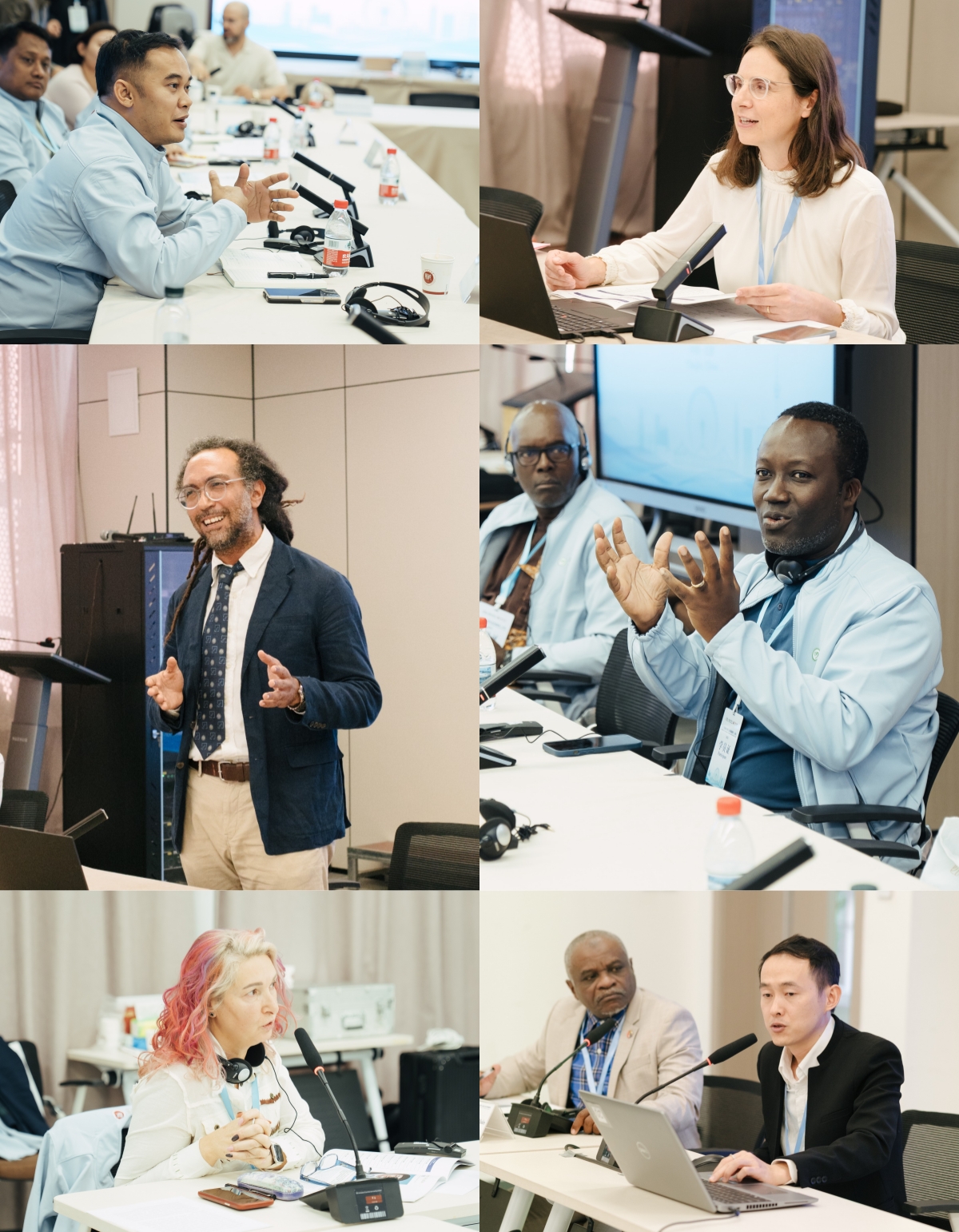
At the closing ceremony on October 20th, directors from four continents shared their insights. They noted that the workshop was well-designed and thoughtfully organized, with expert lectures and field visits broadening their international perspectives, and cultural activities showcasing the charm of Chinese culture. With ample opportunities to exchange ideas and learn from one another, the workshop enabled the 24 participants to strengthen their confidence in advancing the localized and distinctive development of Chinese language education. Several directors shared with genuine emotion that learning Chinese had not only shaped their careers but also influenced the course of their lives—guiding them from language learners to cultural ambassadors and helping them appreciate how language can bring people together. They added that the workshop had enhanced their professional competence and deepened their sense of mission and belonging in promoting cultural exchange between China and other countries.
Secretary-General Zhao Lingshan, speaking on behalf of the CEIF, thanked the directors for their high recognition of the workshop. He encouraged them to bring home new experiences and insights gained in China, and to continue serving as “leaders,” “drivers,” and “think tanks” in the future, injecting new momentum into the development of CIs in the new era. As 2025–2027 marks the Year of Digital Intelligence, he expressed hope that the directors would leverage their own strengths, make full use of the global CI network, and work together to build a more interconnected collaborative ecosystem and a global digital-intelligent community of CIs based on mutual support and shared development.
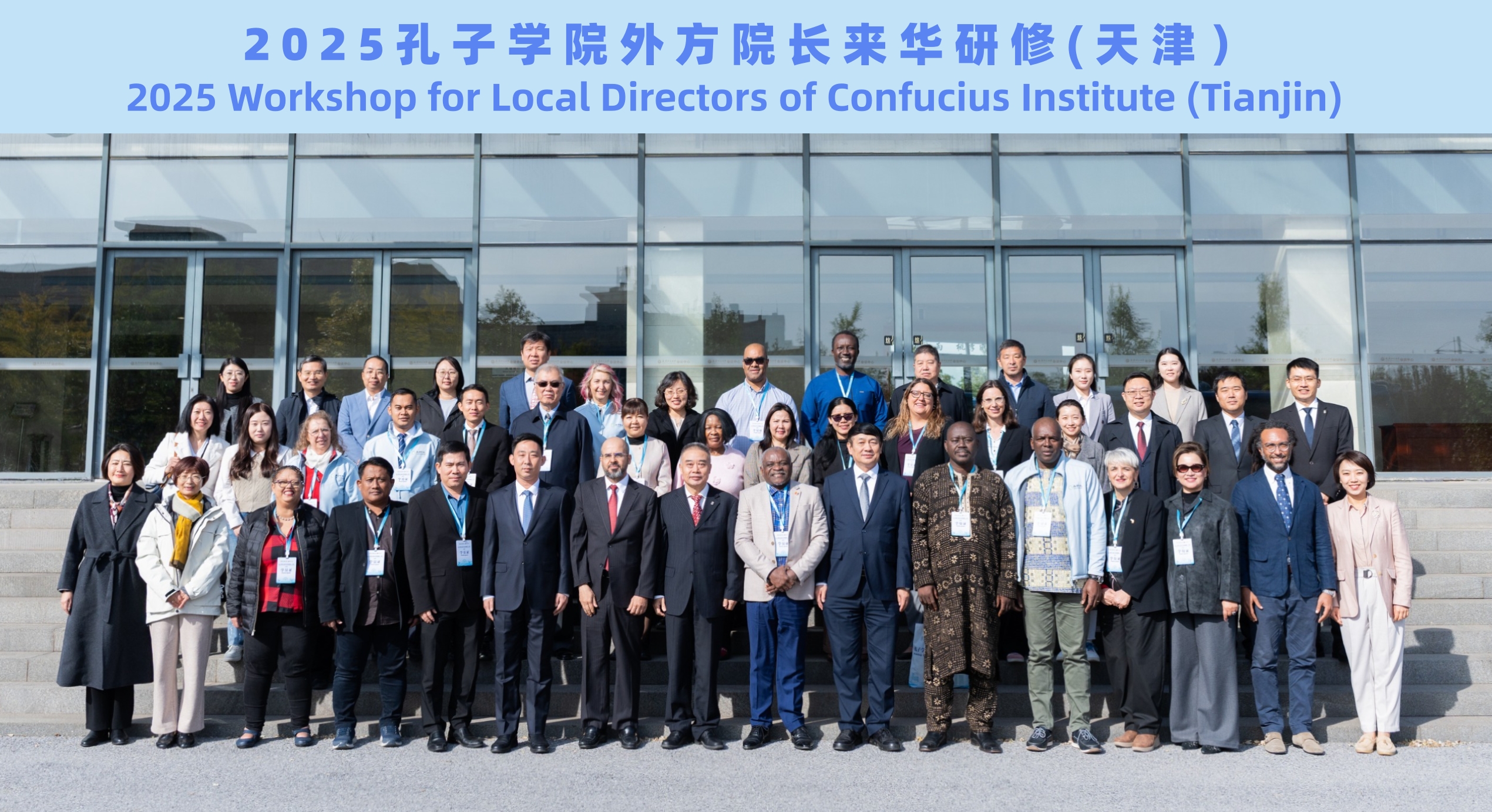
Zhong Yinghua, President of the International Society for Chinese Language Teaching, and Chen Daiwei, Deputy Director of the University Council of Tianjin Normal University, attended the closing ceremony and delivered remarks. The Alumni Association of Tianjin Normal University presented “Honorary Alumnus” certificates to the participating directors.